The Wisdom of James Baldwin


“And a marvelous foreshadowing of the scapegoat role the black was to play in American life is contained in Peter Stuyvesant’s explanation of his surrender to the British. The city could not withstand the British siege, he explained, because three hundred slaves, brought in just before the British arrived in the harbor, had eaten all the surplus food. Scarcely any American politician has since improved on this extraordinarily convincing way of explaining American reverses.”

(From Baldwin’s Introduction to The Negro in New York: An Informal Social History, 1626-1940, edited by Roi Ottley and William J. Weatherby.)

The Mad Man

“I Will Not Descend Among Professors and Capitalists”: Academia, the Body and Political Economy in Samuel R. Delany’s The Mad Man.

This presentation is part of a dissertation project on academic novels and the politics of black intellectuals. Samuel R. Delany’s The Mad Man (1994) is an academic novel set in New York in the 1980s during the HIV/AIDS crisis. The novel is narrated by John Marr, a black gay graduate student in philosophy. Described by Delany as a “pornotopic fantasy” The Mad Man combines the world of academic philosophy with scatological fantasies of public sex on the streets of New York. In The Mad Man Delany stresses the centrality of the body (and all of its messy functions) to the production of philosophical ideas. In particular I would like to put Delany’s novel in conversation with the work of Norman O. Brown. In books such as Life Against Death (1959) and Love’s Body (1966), Brown examined the relationship between psychoanalysis, spirituality and commerce. I am reading The Mad Man as an academic novel and I am interested in how Delany uses this genre to explore complex ideas about race, sexuality, education, and money.

Africana Studies Dissertations Discussions at IRADAC (Institute for Research on the African Diaspora in the Americas and the Caribbean)

Room 8402,CUNY Graduate Center
October 14, 2011, 12pm-2pm

Some helpful links:
-Steven Shaviro wrote a couple of interesting posts  on his blog about The Mad Man here and here.
-Coincidentally, Shaviro also wrote a great piece about Norman O. Brown as well.
-A good (auto)biography of Samuel R. Delany can be found here (written by his critical alter-ego “K. Leslie Steiner”)
-And to tip my hand a bit, the title I’m using is not from Delany but from Walt Whitman’s notebooks for Leaves of Grass, specifically this page which appears just before the first lines that made it into the poem.  Whitman scholar Ed Folsom mentioned this line in the wonderful PBS documentary on Whitman and I thought it resonated with the ideas in Delany’s novel.

From Nieuw Haarlem to “New” Harlem

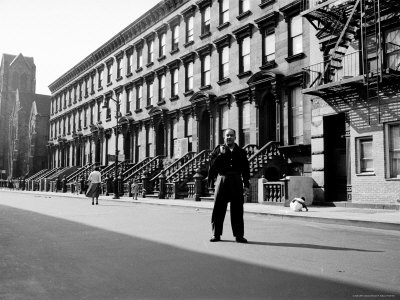
Poet Langston Hughes standing on a street in Harlem

From Nieuw Haarlem to “New” Harlem*

Jonathan Gill. Harlem: The Four Hundred Year History from Dutch Village to Capital of Black America.  New York: Grove/Atlantic, 2011.

Sharifa Rhodes-Pitts.  Harlem is Nowhere: A Journey to the Mecca of Black America.  New York: Little Brown and Company, 2011.

Jeffrey Perry. Hubert Harrison: The Voice of Harlem Radicalism, 1883-1918. New York: Columbia University Press, 2009.

If you want an interesting glimpse of what Harlem is like in 2011, go there on a Sunday morning.  Tour buses pull up to the sidewalk on 125th street and dump out scores of tourists near the Apollo Theater.  Take a walk up Seventh Avenue (now Adam Clayton Powell Jr. Boulevard).  In Harlem’s heyday, this wide boulevard was the preferred destination for Sunday “strollers,” black residents of Harlem who went to church decked out in their best formal attire and showed off on the promenade afterward.  This fashion phenomenon prompted some people to say Seventh Avenue was “like Easter Sunday 52 Sundays out of the year.”  These days Seventh Avenue on Sunday morning is clogged with “strollers” of a different sort: casually dressed tourists – many of them in blue jeans and T-shirts, which, if you know anything about black churches, is way too casual for the regal ritual of a black church Sunday morning anywhere in America.  The tourists come to Harlem and walk up and down the avenue to stop in one of the neighborhood’s churches hoping to hear some of this rousing, foot-stomping black gospel music they’ve heard so much about.  Most mornings it looks like there are more white people going into the churches than black folks. Outside of one the biggest and most popular churches, Abyssinian Baptist Church on 138th Street, the line often extends around the corner for the 11am service.  The ushers regularly have to turn dozens of tourists away.

I’m not being self-righteous when I talk about seeing white tourists in Harlem. You might even say I’m one of the parties to blame.  Since 2008 I have worked as a New York City walking tour guide.  Leading these tours, often with 25 or so people tagging along behind me, there’s no way to be inconspicuous. Heckling is a regular occurrence.  One time a middle aged black woman came up and started talking to my group. She began quizzing me about what I was telling the group.  You can never tell what’s going to happen when people stop by and cut in on a tour, but I’ve been doing this long enough to know that when New Yorkers on the street want to get chatty it is usually best to just let them speak their piece and move on.  Most of the time people turn out to be warm and interesting and informative.  Other times, they might be silly or hostile.  But it’s always interesting, so I just let it ride.  At first this particular woman began frantically pointing out some interesting places, such as a downstairs location that was once a bar where a scene from Superfly was filmed, and a corner where there was once a store owned by Brooklyn Dodgers catcher Roy Campanella.  Then she suddenly flipped on me, “You need to tell them to upgrade your stuff man.  You ain’t even from Harlem!” And then she walked away still muttering “He ain’t even from Harlem” and then kept shouting and pointing at me and my group from across the street.  It was then I noticed the woman wasn’t just being contrary with me, and that maybe she wasn’t all there.  But, crazy or not, she definitely had a point.

No ma’am, I ain’t from Harlem.  I was born and raised in Mississippi.  I’ve been living in New York for nine years.  I’m now a graduate student working on a Ph.D. in English.  The tour company I work for specifically hires graduate students.  Our guides are all serious researchers on New York history, but we may not necessarily be fully authentic native New Yorkers.  I am black, so I knew that I could at least play the black identity card when I started doing tours of Harlem.  I’m a graduate of Morehouse College, a historically black college in Atlanta, GA, the same school where Abyssinian Baptist Church pastor the Rev. Calvin O. Butts, III graduated (along with a number of other notable African-American men).  I have a B.A. in history, focusing on African-American history, and the dissertation I am working on deals with black literature and higher education.  But despite all of this, no, I can’t claim to be from Harlem.

I understand this kind of nativism.  That sense of ownership over place is pervasive throughout New York, but is especially prevalent in Harlem, a neighborhood with a proud history and tradition of black independence.  I don’t even need to repeat all the names of Harlem luminaries and all the important organizations that started there.  However, over the past decade gentrifiers have begun to move in.  125th St. is now filled with snazzy chain stores, (there’s an American Apparel there now for chrissakes, not to mention two Starbucks).  The price of housing has skyrocketed with new glass condos going up on the avenues.  Venerable black owned businesses have closed.  And now legions of curiosity seeking tourists are clogging the sidewalks to listen to people who aren’t even from Harlem talking about the history of the neighborhood.  I can understand why some folks might be a little sour.

But…someone else might say…New York neighborhoods have always evolved.  The Jewish immigrants have all gone from the Lower East Side.   The Italians have all gone from Little Italy.  New York’s ethnic history is one of constant movement and displacement.  This is an argument that our contemporary gentrifiers have noted well and have effectively incorporated into their arsenal.  Nativism just doesn’t work in New York. New York neighborhoods have always been a revolving door if you’re purely talking about racial and ethnic identity.  Adding economics and power to the mix, however, requires looking at things little differently.

These three recent published books all deal with the history of Harlem, this neighborhood that was once known as The Capital of Black America.  Jonathan Gill’s study of Harlem history begins in the early 1600s with the encounters between the Lenape Indians and the first Dutch explorers to set foot on the island.  Within days after the Dutch arrival there were violent clashes between the two groups.  In these first clashes between people who had been inhabiting the island for decades (at least) and these new arrivals from half a world away, Gill sees, “a foretaste of Harlem’s future.”

It is no secret that the clash of cultures has raged on in Harlem, and that tensions remain high there and in other parts of New York City as gentrification shows no sign of stopping.  Sharifa Rhodes-Pitts gives us a more intimate view of Gill’s point about the future.  In Harlem is Nowhere she tells one particularly juicy anecdote about sitting in a Harlem café near two white male yuppies, one a resident, the other a friend who was visiting the neighborhood for the first time.  The visiting friend seemed to be enjoying this trip to this exotic locale and he told the other guy, “This is fabulous…Really, you have to do something to get more people up here!” The quote is purely anecdotal, but anyone who has spent time in contemporary New York has probably overheard some version of this neo-colonial rhetoric tumbling out of the mouth of someone talking about Harlem or Washington Heights or whatever neighborhood in Brooklyn has been declared “rad” and infested by hipsters.  At first there was Nothing…then the hip, wealthy, (mostly) white people showed up….and then there was Something.  But not all of the gentrifiers are white, and that complicates matters a bit.  (At one point in her book Rhodes-Pitts ponders whether she is herself just another gentrifier.)

In his biography of Hubert Harrison, Jeffrey B. Perry explores the complexity of race and class politics in Harlem.   In the book Perry lays down his case that Harrison deserves a bigger place in the pantheon of Harlem’s great intellectual and political leaders.  As Perry describes him, Harrison was  “the most class conscious of the race radicals, and the most race conscious of the class radicals…more race conscious than [A. Philip] Randolph and [Chandler] Owen and more class conscious than [Marcus] Garvey.”  But his biography is much more than just another “Great Man” history.  Perry situates Harrison’s life in the historical and political context around him, and links Harrison’s life to the local, national and global struggle over labor power.  It this kind of understanding of the complex interaction between race and class that is precisely what is necessary to really make sense of Harlem’s past, present and future.

Jonathan Gill’s book Harlem: The Four Hundred Year History from Dutch Village to Capital of Black America is the first comprehensive history of the entire neighborhood of Harlem.  When I was beginning to learn tours, I turned to books such as Gilbert Osofsky’s Harlem the Making of a Ghetto and David Levering Lewis’s When Harlem Was in Vogue to establish a narrative of Harlem’s history from its beginning to the development of Black Harlem.  These and other books gesture toward a history of Harlem before it became black in the early 1900s, but few of them go into extensive detail about that early history. For the most part the non-black history of Harlem was tucked away in ethnic histories of Jewish, German, Irish and Italian immigrants.  For the early history of the island of Manhattan there are books such as the massive Gotham: A History of New York City to 1898 by Edwin Burrows and Mike Wallace.  That book, and others like it, contains some information about the founding of the Dutch village of Nieuw Haarlem in upper Manhattan in the 1650s (named for the city of Haarlem in The Netherlands).  But it appears that Jonathan Gill is the first to have gathered up all of that material, from the pre-history of New York all the way up to the latest information, and synthesized it all into a grand, epic story focused specifically on this distinct New York neighborhood.

Geographically, Harlem starts at the top of Central Park at 110th Street (Hence the title of the film and song Across 110th Street).  It stretches up to 155th Street, the northernmost of the 155 crosstown streets laid out in the original 1811 grid plan of Manhattan.  It stretches across from the Harlem River on the east side, to the Hudson River on the west side.  Within that broad expanse (a four square mile chunk of the thin island of Manhattan) there have been many Harlems over the years.  For New York history buffs Gill’s book is a treasure trove of historical information linking Harlem even more closely to the history and destiny of New York City.  For instance many people have heard of the infamous New York politician William “Boss” Tweed, who grew up on the Lower East Side and became the leader of the powerful political machine Tammany Hall.  The Tweed Courthouse downtown on Chambers St. was used by Tweed to bilk millions of dollars from the city’s coffers, and the building still sits there as one of the nation’s great symbols of political corruption.  However, Tweed’s influence extended uptown as well.  Tammany was involved in the push of speculative building that made Harlem into a residential community in the late 1800s, and they helped to filter some Irish immigrants into the neighborhood.  If you’ve been to Harlem you may have noticed how much wider the boulevards of Seventh and Lenox Avenues are than most streets in the city. From Gill’s book I learned those streets were designed that way as construction projects of the Tweed Ring.  Before he was exposed, Tweed was even planning another city building in Harlem like his downtown courthouse to make some more money disappear. It was the political cartoonist Thomas Nast, whose scandalous drawings eventually helped to publicize Tweed’s corruption.  Nast also lived in Harlem near 125th Street and 5th Avenue.

To illustrate the neighborhood’s history, Gill focuses on several other notable New Yorkers who have called Harlem home.  German Jewish entrepreneur Oscar Hammerstein lived in West Harlem.  His son Oscar Hammerstein II eventually teamed up with Richard Rodgers and Lorenz Hart to change the landscape of American music (drawing inspiration from the jazz music that eventually spilled out of the clubs of black Harlem.) There was also an Italian settlement in East Harlem.  The famous uptown restaurant Rao’s, which is still open on 114th Street, is one of the last vestiges of Italian East Harlem.  In the late 1920’s the Puerto Rican community of East Harlem began to take form, eventually evolving into the vibrant neighborhood affectionately known as El Barrio.  If I have one minor gripe with Gill’s book it is that his treatment of Puerto Rican Harlem gets lost in the shuffle as he moves on to discuss the ascent of black Harlem in the 1920s. The history of black Harlem itself is well-trod territory, but Gill deftly lays it all out here.  He capably sorts out the complex history of real estate in 1904 to 1907 involving Philip Payton the founder of the Afro-American Realty Company.  Payton was the man credited with placing the first black families on the blocks around 134th St. that would become the epicenter of black Harlem.

Harlem is Nowhere: A Journey to the Mecca of Black America grapples with the cultural, literary, and political legacy of this black neighborhood that formed when black families began to fill up the residential buildings that were thrown up in a fierce fit of speculation, a run which bottomed out with a real estate bust in the 1890s. The book is a creative mix of memoir, literary criticism and journalism woven into a first person narrative about a young black American intellectual as she moves to Harlem.  Rhodes-Pitts creatively captures the persistent attraction of Harlem by writing about some of the great characters in Harlem literature – from Helga Crane in Nella Larsen’s 1928 novel Quicksand to the nameless narrator of Ralph Ellison’s Invisible Man.  Rhodes-Pitts took the book title from an Ellison essay.  The concept of “Harlem is Nowhere” might seem a little flippant, but she (and Ellison) intended it to be a provocation.  The phrase does capture a certain essential quality about Harlem – that it has existed as much as a dream as a physical reality.  The dreams of Harlem – this mecca of blackness, this refuge from discrimination and indignity – did not take long to fade after the 1920s had passed and when the harsh realities of impoverished urban life began to set in for these agrarian Southerners who had moved there.  As Langston Hughes famously said, “The ordinary Negroes hadn’t heard of the Negro Renaissance. And if they had, it hadn’t raised their wages any.”

The phantasmic quality of Harlem is surely something to reconsider now that the place has transformed from a shining hope of black self-determination, and then into a drug and crime addled slum in the 1970s, and now into the potential paradise for rich Manhattanites who fall low enough in the ranks of the merely rich that they’ve been priced out of the West Village and Tribeca by the über-rich. Gill’s book ends on a somewhat triumphalist note, lauding the arrival of corporate charter schools and chain stores and Columbia University’s multi-million dollar expansion into West Harlem. However, Sharifa Rhodes- Pitts takes us inside the heated community meetings and listens to the grievances of working class black Harlemites who have organized against the city’s aggressive removal of businesses such as the Mart 125 where vendors operated a market on 125th Street.  People are still trying to fight the good fight, but a sense of resignation and defeat is starting to set in.  The tide has already turned. Rhodes-Pitts mentions seeing a young Harlemite at one rally wearing a T-Shirt that said, “Harlem isn’t for sale because Harlem has already been sold.”

Since the publication of Hubert Harrison: The Voice of Harlem Radicalism, 1883-1918 in the fall of 2009 historian Jeffrey Perry has been working tirelessly to spread the word about the life and work of this grossly undervalued black Caribbean intellectual.  A look at Perry’s website reveals a steady stream of speaking engagements at universities, libraries, community bookstores and labor organizations.  (I saw Perry give a presentation on Harrison here at the CUNY Graduate Center last year.) The book is not just a simple biographical narrative of Hubert Harrison’s life.  Instead, Perry meticulously reconstructs the social and intellectual history surrounding Harrison, and gives a thorough interpretation of Harrison’s political activism and his literary output.  For instance, Perry does not simply write about Harrison’s early life in St. Croix where he was born in 1883.  He also examines the history of the transatlantic slave trade and the impact that the legacy of the slave trade and post-slavery labor structures had on the Caribbean.  Hubert Harrison came to Manhattan in 1900 and settled into the neighborhood known as San Juan Hill in the west 60s, which was then the biggest cluster of black citizens in New York.  When Perry writes about Harrison’s move to New York and Harlem, he puts him in the context of the history of black New Yorkers and the struggle for racial and economic justice in the city.

Harrison was heavily involved in the labor movement, working at various points as a postal worker, then with the Socialist Party USA, and also with the American Federation of Labor. He was also the editor of the Negro World, the newspaper of Marcus Garvey’s Universal Negro Improvement Association (UNIA), and he wrote prodigiously throughout his life.  Harrison was well-known around Harlem as a soapbox orator and an independent lecturer.  He never attended college, but was a fierce autodidact.  Perry describes his voracious reading habits and his diligent commitment to writing and independent education.   In his time Harrison was recognized as a major talent by contemporaries such as A. Philip Randolph who called him “The Father of Harlem Radicalism.”  But for complex reasons – including poverty and politics – he faded from memory.  In particular Perry makes the case that Harrison’s commitment to atheism and freethought put him on the wrong side of the black political structure which has long been rooted in religion, and especially in the protestant Christian black churches. Harrison was a vocal critic of the black churches, which were too often fiefdoms of charismatic individuals.  The emphasis on spiritual escapism pulled people away from the historical materialism that he felt was necessary to understand the position of the black working classes, and the workings of race as mode of social control.

Because of all of this detailed historical analysis, which sometimes strays away from the specific details of Harrison’s life, I have to say the biography is a bit of a dense slog to read through. From hearing Perry’s lectures and from reading other reviews and articles about Harrison, I was familiar enough with the material that I did not get completely lost.  But for a reader who is new to Harrison, perhaps a better place to start would be The Hubert Harrison Reader (Wesleyan, 2001), Perry’s edited anthology of Harrison’s writings.  The introduction to the Reader is a more succinct primer on Harrison’s life, and the essays in the collection provide an opportunity to hear Harrison’s unfiltered voice as a writer.  On its own terms though, the biography is an impressive work of intellectual history that traces the context and circumstances of Harrison’s life, and analyzes the way that his thinking about race and class developed over his lifetime and helped to shape Harlem politics at the dawn of the “Harlem Renaissance.”  And about that so-called “renaissance” Harrison was circumspect.  In an essay on the idea of a “Negro Literary Renaissance” Harrison emphasized that most of the critics who were touting the literary production of 1920s Harlem as a “renaissance” were, in fact, overlooking “the stream of literary and artistic products which had flowed uninterruptedly from Negro writers from 1850 to the present.”  Though he dismissed the talk of renaissance as a white downtown fad, Harrison nevertheless took seriously the actual artistic production of his Harlem contemporaries, and he wrote numerous reviews of poetry, novels and plays.

In one chapter of Harlem is Nowhere, Sharifa Rhodes-Pitts dishes out some tough love to Harlem.  Well, she isn’t doing the dishing herself so much as she delves into the critiques from some black leaders that black Harlemites had not done enough to buy up property in Harlem and secure a black future for the neighborhood.  This is a critique that I also heard from several black leaders at an event in Harlem last year.  In her chapter “Land is the Basis of All Independence” she touches on an important idea when she writes about how some people in Harlem falsely subscribe to the idea that blacks have invested a valuable “sweat equity” into the neighborhood that should give them a right to the space, even if they don’t “own” property on paper.  That may be true, but the fact is the wealthy have the state power and the financial power to impose their will whether it’s on the Brooklyn waterfront in Williamsburg or on Lenox Avenue uptown.  It is hard not to make all of this sound like the usual litany of grievances about institutional racism and the historical legacy of slavery and Jim Crow. But, well, this is about the institutional racism and the historical legacy of slavery and Jim Crow.  Millions of blacks were brought to the Americas to work on plantations, subjected to a dehumanizing segregation under Jim Crow, essentially re-enslaved again in the post-Reconstruction era in exploitative sharecropping arrangements, and then subjected to a litany of injustices throughout the 20th century – from lynching to false imprisonment to red-lining and financial discrimination to the assassinations of black political leaders.  And somehow, in the midst of all that, black folks were somehow supposed to find the time and resources to buy up property and secure the neighborhood from gentrification.

Of course now that there is a black guy with the improbable name of Barack Hussein Obama II in the White House, some people are even less willing to hear such grievances. That’s just the rub:  Token diversity is the biggest weapon that the upper class uses against any accusations of inequality or, god forbid, white supremacy (a concept Hubert Harrison explored thoroughly in his political thought).  What is happening in Harlem now is bigger than that neighborhood, bigger than New York, bigger even than the United States.  The biggest lie of the “free-market” cheerleaders is the idea of a free market itself.  There is no accumulation of private wealth without active and aggressive state intervention to tip the scales in favor of the rich.  One way to do that is by making labor organizing illegal, as is happening in Wisconsin right now. All throughout New York the wealthy overclass is gobbling up space to create their own heavily policed and privatized suburban utopia.  But like the city of Fritz Lang’s classic film Metroplis, somebody has to be down below turning the gears in order to make the city work.  In this case, the people below the city are actually outside of it, pushed out to Queens and Brooklyn, New Jersey and Long Island and coming in to Manhattan to serve at the feet of the rich.  This was a city that once took pride in its viable working class. Now the best people hope for is to be buried with one of the Pharaohs.

I still love this city.  For better or worse I have made it my home for almost a decade and I plan to be here even longer.  The going is rough sometimes.  I am no trust-funder and this is not a great time to be looking for an academic career in the humanities. But I have enjoyed my walks through Harlem, even with the heckling.  Learning about New York history has deepened my appreciation for the city in ways I never imagined when I moved here.  I don’t have any positive notes of hope to say that something good will happen to the disenfranchised people of Harlem before they get completely wiped away in favor of their wealthier counterparts.  But these books make me hopeful that someone else out there might be reading, and dreaming, and scheming, and coming up with some kind of plan to help save our souls, and the soul of this city.

*[This article was first published in the March 2011 issue of the GC Advocate]

Marcus Garvey and Black Solidarity in the 21st Century

(This article was first published in the GC Advocate in December 2008)


Books Reviewed:

Grant, Colin. Negro With a Hat: The Rise and Fall of Mar­cus Gar­vey. Oxford: Oxford Uni­ver­sity Press, 2008. 544 pages.

Rolin­son, Mary G. Grass­roots Gar­vey­ism: The Uni­ver­sal Negro Improve­ment Asso­ci­a­tion in the Rural South, 1920 – 1927. Chapel Hill: Uni­ver­sity of North Car­olina Press, 2007. 296 pages.

Shelby, Tom­mie. We Who Are Dark: The Philo­soph­i­cal Foun­da­tions of Black Sol­i­dar­ity. Cam­bridge: Har­vard U. Press, 2005. 336 pages.

As a walk­ing tour guide I often lead tours through Harlem, telling the story of how this his­toric neigh­bor­hood rose to promi­nence in the 1920s to become the unof­fi­cial cap­i­tal of black Amer­ica. Among the stops along the tour route is a brown store­front build­ing at 2305 Adam Clay­ton Pow­ell Jr. Blvd. (for­merly Sev­enth Avenue). Now an unas­sum­ing beauty shop called Salon Ambiance, it was once an office of Mar­cus Garvey’s Uni­ver­sal Negro Improve­ment Asso­ci­a­tion (UNIA), and the organization’s news­pa­per the Negro World. On a recent tour with a group of young white British women, we stopped in front of Salon Ambiance and I launched into my stan­dard abridged his­tory of Gar­vey and his move­ment. While I spoke I passed around a lam­i­nated photo of Gar­vey decked out in mil­i­tary regalia with his dis­tinc­tive plumed hat, rid­ing in the back of a car in a UNIA parade. One of the women stared at the photo and her face grew vis­i­bly unset­tled as I explained Garvey’s rise to power. I told them that he was born in Jamaica in 1887, that as a young man he had embraced Pan-Africanism, that he had come to Harlem in 1916 preach­ing a gospel of black pride and self-determination, and that he had built this mil­i­tant black nation­al­ist orga­ni­za­tion into one of largest mass move­ments in Amer­i­can his­tory. After I fin­ished my spiel, the trou­bled woman softly said, in her lilt­ing British accent, “He sounds a bit scary.”

If Gar­vey can strike fear into the heart of a gen­teel white woman eighty years removed, imag­ine what it was like to see thou­sands of Gar­veyites march­ing in the streets of New York with their Black Cross Nurses, their African Legion para­mil­i­tary guard decked out in full mil­i­tary dress, led by a dark, sawed-off, stout Jamaican who dared to tell black peo­ple that they were not a group of grov­el­ing sub­servients but a “Mighty Race” of peo­ple whose des­tiny was to rule the world. Well, J. Edgar Hoover also found that image quite “scary.” Within just three years of his arrival in Harlem, Garvey’s UNIA had grown large enough and pow­er­ful enough to attract the atten­tion of the United States Jus­tice Department’s newly formed Bureau of Inves­ti­ga­tion (BOI), headed up by Hoover, the leader who over­saw the agency’s tran­si­tion into the Fed­eral Bureau of Inves­ti­ga­tion (FBI).

With Negro With a Hat: The Rise and Fall of Mar­cus Gar­vey (2008) Jamaican-British scholar Colin Grant has filled a siz­able void in black stud­ies with a full-length com­pre­hen­sive biog­ra­phy of Gar­vey. Until I began com­pil­ing an oral exam list on black nation­al­ist thought two years ago, it had not occurred to me that such a book did not exist. David E. Cronon’s Black Moses, orig­i­nally pub­lished in 1960, still holds up as an engag­ing nar­ra­tive of the Garvey’s life, but its infor­ma­tion is now largely out­dated. Tony Martin’s Race First (1976) and Lit­er­ary Gar­vey­ism (1983) are both thor­ough and note­wor­thy con­tri­bu­tions to the intel­lec­tual aspects of Gar­vey­ism. The chief source of pri­mary mate­r­ial on Gar­vey is Robert E. Hill’s mas­sive Gar­vey Papers Project, pub­lished in ten huge bound vol­umes, with an archive housed at the Uni­ver­sity of California-Los Ange­les. Grant has incor­po­rated these and other resources (includ­ing the files of FBI infor­mants who infil­trated the UNIA, the first black agents hired in FBI his­tory) and has pro­vided the most well-synthesized account of Garvey’s life to date.

While Grant’s study focuses on the man him­self, Mary Rolinson’s Grass­roots Gar­vey­ism: The Uni­ver­sal Negro Improve­ment Asso­ci­a­tion in the Rural South, 1920 – 1927 (2007) gives, per­haps, an even bet­ter view of the over­all struc­ture of the UNIA by pro­vid­ing a closer look at some of the peo­ple who decided to join Garvey’s move­ment in the Amer­i­can South. The sep­a­ratist racial pol­i­tics of Garvey’s move­ment remain as con­tro­ver­sial as ever, and many see Garvey’s black nation­al­ism as an out­moded and inef­fec­tual strat­egy for deal­ing with the chal­lenges of our con­tem­po­rary polit­i­cal sit­u­a­tion. In We Who Are Dark: The Philo­soph­i­cal Foun­da­tions of Sol­i­dar­ity (2008) philoso­pher Tom­mie Shelby ana­lyzes black nation­al­ist thought sym­pa­thet­i­cally, but ulti­mately looks for less rigid and more polit­i­cally prac­ti­cal forms of black solidarity.

Mar­cus Mosiah Gar­vey, Jr. was born August 17, 1887 in St. Ann’s Bay on the north­ern coast of Jamaica. The youngest of eleven chil­dren, Gar­vey grew up in a very lit­er­ate house­hold. His father was an avid reader, and the fam­ily had an exten­sive library which the young Gar­vey used to his intel­lec­tual advan­tage. At the age of four­teen, Gar­vey left school and became a printer’s appren­tice, a vitally impor­tant expe­ri­ence for the future leader. It was here that Gar­vey began a life­long inter­est in news­pa­per pub­lish­ing. After mov­ing to Lon­don in 1912, Gar­vey ended up work­ing for Egyptian-born Dusé Mohamed Ali’s influ­en­tial pan-African paper, African Times and Ori­ent Review. Accord­ing to Grant he gleaned just as much from Ali’s numer­ous other busi­ness schemes as he did about the work­ings of the news­pa­per indus­try itself. The one con­sis­tent enter­prise that Gar­vey always came back to through­out his life was the news­pa­per, from the suc­cess of the UNIA’s Negro World in spread­ing the mes­sage of the move­ment, to the bit­ter edi­to­ri­als in The Black Man which he pub­lished in Lon­don in the 1930s after his depor­ta­tion from the United States.

Colin Grant begins Negro With a Hat by relat­ing the story of Garvey’s death. And, in the sort of cos­mic irony that would seem too trite were it fic­tional, it would be a news­pa­per head­line that led to his death. Recov­er­ing from a debil­i­tat­ing stroke in his Lon­don home in 1940, Gar­vey was shown clip­pings announc­ing that “Mar­cus Gar­vey Dies in Lon­don.” An old polit­i­cal rival had begun spread­ing rumors of his death and the pre­ma­ture obit­u­ar­ies were filled with damn­ing and unflat­ter­ing por­tray­als of his life. Gar­vey, dis­traught over these vicious accounts, col­lapsed from another mas­sive stroke while read­ing them. He died two weeks later on June 10, 1940.

In 1914 Gar­vey first attempted to start The Uni­ver­sal Negro Improve­ment Asso­ci­a­tion and African Com­mu­ni­ties League (UNIA_ACL) in Jamaica when he returned there after trav­el­ing for two years in Lon­don. The organization’s motto was, and remains, “One God, One Aim, One Des­tiny.” (The UNIA-ACL tech­ni­cally still exists though its mem­ber­ship is small.) In 1916, like scores of other West Indian immi­grants, he trav­eled to Harlem, which was quickly becom­ing a thriv­ing black metrop­o­lis. Thou­sands of black migrants from the Amer­i­can South and immi­grants from the West Indies were pour­ing into the neigh­bor­hood and cre­at­ing a vibrant mod­ern urban black cul­ture. In 1918 Gar­vey set up a new ver­sion of the UNIA which grew and thrived. Gar­vey had already been prac­tic­ing his skills as an ora­tor while in Lon­don on Speaker’s Cor­ner in Hyde Park. In New York he honed his skills by observ­ing the pyrotech­nics of white evan­ge­list Billy Sun­day. He also drew inspi­ra­tion from Harlem’s own plethora of lively pub­lic speak­ers, includ­ing the black social­ist Hubert Har­ri­son who gave Gar­vey his first speak­ing oppor­tu­ni­ties. Gar­vey per­fected his style and brought it to Harlem’s ver­sion of Speak­ers’ Cor­ner, on 135th St. and Lenox, where he even­tu­ally began to draw crowds with his incen­di­ary speeches.

Grant does a remark­able job of weav­ing Garvey’s ascen­dance into the his­tor­i­cal con­text of early-20th-century Amer­ica. Gar­vey stepped into a per­fect storm stirred by Harlem’s growth as a cul­tural and intel­lec­tual cap­i­tal of black­ness, the return of black sol­diers from WWI bat­tle­fields back to the Jim Crow south, and the con­tin­u­ing white suprema­cist racial vio­lence car­ried out on the black com­mu­nity in the South. Garvey’s ideas about racial sep­a­ra­tion were influ­enced by the awful vio­lence of the East St. Louis, Illi­nois race riot of 1917, in which nearly 200 peo­ple were killed and thou­sands dri­ven out of their homes. Led by Garvey’s soon to be rival, the scholar and activist W.E.B. Du Bois, The National Asso­ci­a­tion for the Advance­ment of Col­ored Peo­ple (NAACP) con­ducted a silent protest march through the streets of Harlem in response to the riots, car­ry­ing signs say­ing “Thou Shalt Not Kill.” By the time of the vio­lence of the Red Sum­mer of 1919 two years later, Gar­vey had per­fected his brand of mil­i­tant black pride, and had effec­tively estab­lished his move­ment as an alter­na­tive to the NAACP’s peace­ful marches and phi­los­o­phy of inte­gra­tion. It should be noted here that Grant takes his title from Du Bois’s deri­sive descrip­tion of Gar­vey, a clumsy and even off-putting choice. But it does speak to the bit­ter rivalry between the two lead­ers and the impor­tance of the dif­fer­ences (and con­tra­dic­tions) in their polit­i­cal philosophies.

With a con­sis­tently grow­ing mem­ber­ship, the UNIA engaged in a num­ber of eco­nomic enter­prises, and Grant gives detailed accounts of these ven­tures, many of which were unfor­tu­nately rife with mis­man­age­ment. Of all the Gar­vey projects, the Black Star Line may be the most defin­i­tive state­ment on Garvey’s enig­matic career. After pur­chas­ing an old WWI coal ship, The SS Yarmouth, Gar­vey planned to rechris­ten it as the Fred­er­ick Dou­glass and make it the first ship in The Black Star Line, a fleet of UNIA owned and oper­ated ships that would, among other func­tions, carry peo­ple to the African con­ti­nent. Gar­vey man­aged to orches­trate a rous­ing and rau­cous launch cel­e­bra­tion with thou­sands of peo­ple gath­ered on Manhattan’s west side at 135th St. near the Hud­son River to watch it set sail. But due to com­pli­cated issues with the ship’s insur­ance it was only allowed to sail out of view of the cheer­ing throngs, then docked again at 23rd Street. The Black Star Line was pro­moted with the idea that those who invested might one day be able to repa­tri­ate in Africa (“Africa for the Africans!”)…but Gar­vey him­self never set foot on the continent.

In the end, Gar­vey was brought low by the Black Star Line, nailed on a tech­ni­cal­ity by an FBI cam­paign bent on stop­ping his move­ment. He was arrested in 1922 for mail fraud in con­nec­tion with the sale of stock in the com­pany. Gar­vey rep­re­sented him­self in the gru­el­ing four week long court case, lost the case, and begin­ning in 1925 he served two years in jail in Atlanta, GA. He was even­tu­ally par­doned by Pres­i­dent Calvin Coolidge, but depor­ta­tion was one of the con­di­tions of the par­don and he sailed back to Jamaica from New Orleans in 1927. Still, what­ever one might say about Mar­cus Gar­vey, Grant’s biog­ra­phy makes it dif­fi­cult to write him off sim­ply as a char­la­tan. It paints the por­trait of a man who was equal parts sin­cer­ity, huck­ster­ism and delu­sional ambi­tion, illu­mi­nat­ing Garvey’s dogged per­sis­tence and deter­mi­na­tion to do some­thing big with his life. Through fail­ure after fail­ure, and set­back after set­back, Gar­vey held fast to a single-minded com­mit­ment to success.

In some ways his­to­rian Mary Rolinson’s Grass­roots Gar­vey­ism: The Uni­ver­sal Negro Improve­ment Asso­ci­a­tion in the Rural South, 1920 – 1927 pro­vides us with a bet­ter under­stand­ing of Gar­vey­ism as a “mass move­ment” than Negro With a Hat. While Grant’s work is mostly a focused char­ac­ter study, Rolin­son tries to make sense of the moti­va­tions and ideas of the peo­ple who joined the ranks of the orga­ni­za­tion by focus­ing on a par­tic­u­lar sub­set of UNIA mem­bers. Grass­roots Gar­vey­ism pro­vides some rare and insight­ful research on Garvey’s influ­ence among black South­ern­ers. As she argues, “a closer look at this seg­ment of Gar­veyites offers not only a glimpse into the elu­sive intel­lec­tual his­tory of rural south­ern farm­ers but also a fuller under­stand­ing of the dynam­ics and nature of Gar­vey­ism.” There were 1, 176 divi­sions of the UNIA through­out the world by 1926. Eighty per­cent of these were in the United States. Of the U.S. chap­ters Rolin­son places 423 of these in the South­ern States. Def­i­nite num­bers are hard to come by, but Rolin­son finds records for over 9,000 actual pay­ing mem­bers. How­ever, she coun­ter­bal­ances that num­ber with crowd esti­mates of peo­ple who attended pro-Garvey mass meet­ings all over the South over the course of his arrest and trial, esti­mates which sug­gest over 100,000 peo­ple may have been in atten­dance. She culled demo­graphic infor­ma­tion about the UNIA mem­bers from cen­sus records, and her inter­pre­ta­tions of the south­ern UNIA is informed by care­ful read­ings of the Negro World for reports of south­ern activ­ity. The nature of her research meant Rolin­son had to rely heav­ily on con­jec­ture, but she does a com­mend­able job bal­anc­ing this pri­mary research with informed speculations.

What she finds is that more than a few rural south­ern­ers embraced Garvey’s move­ment in the South. In the process she com­pli­cates the stan­dard nar­ra­tive of the Great Migra­tion, which car­ries the assump­tion that the most mil­i­tant and intel­lec­tu­ally engaged blacks moved to the North­ern cities, and that rad­i­cal­iza­tion was only pos­si­ble by mov­ing to the freer spaces of the urban North. On the con­trary, she illus­trates a rich his­tory of polit­i­cal engage­ment and rad­i­cal defi­ance hap­pen­ing under the radar in the South. The premise of the book, she writes, is to show that “…how­ever busy and bur­dened this group was, how­ever few records they left behind, and how­ever far their ide­ol­ogy may have devi­ated from the lib­eral inte­gra­tionist frame­work, these African-Americans had strong impulses to deter­mine and improve their own futures and found ways to do so through orga­ni­za­tion and inde­pen­dent thought.” For the most part the book deliv­ers on that promise. But still, the find­ings must be put in per­spec­tive. At the end of the day, as illu­mi­nat­ing as her work is, it only sheds light on one area of an impor­tant but failed polit­i­cal movement.

Which brings us to the over­all legacy of Garvey’s move­ment. The UNIA was with­out a doubt an insti­tu­tional fail­ure. The orga­ni­za­tion itself was by all accounts poorly man­aged and squan­dered its mass appeal. Yet it would be a mis­take to dis­miss the impor­tance of the UNIA and Garvey’s career whole­sale because of its tac­ti­cal errors. The apex of the Gar­vey move­ment, and its most phe­nom­e­nal spec­ta­cle, came in 1920 when a UNIA con­ven­tion was held at Madi­son Square Gar­den. The con­ven­tion itself was attended by some 25,000 peo­ple, and thou­sands more turned out to see the UNIA parade wind through the streets of New York. The whole event was staged as an orches­trated coro­na­tion of Gar­vey as the leader of the Pan-African move­ment, a sort of African pres­i­dent in exile. Grant writes that “as with many of Garvey’s ear­lier pro­mo­tions, the idea of African titles unrolled at the con­ven­tion was meant more in ges­ture, albeit a grand ges­ture intended to inspire and unify the Negro world.” And this may be where Garvey’s great­est legacy lies, in pre­cisely these sorts of sym­bolic ges­tures. At the end of the day his most sig­nif­i­cant con­tri­bu­tions were mainly in the cul­tural and psy­cho­log­i­cal realm, rather than at the insti­tu­tional level. Gar­vey was not the first emi­gra­tionist, nor was he the first to try to cul­ti­vate a more pos­i­tive atti­tude toward African her­itage and the African con­ti­nent. His African redemp­tion­ism car­ried the all too com­mon van­guardist and elit­ist atti­tude of West­ern blacks towards Africa. Still, he effec­tively pop­u­lar­ized pos­i­tive views of Africa and black­ness, teach­ing that Africa had a past and present, that it was not just a back­ward place from which black Amer­i­cans should be grate­ful to have been “saved.” Oth­ers had been teach­ing this for years, but none achieved so great an effect. His abil­ity to get so many of the black rank and file to embrace his move­ment changed the game in black pol­i­tics and forced other orga­ni­za­tions to reeval­u­ate their own strate­gies in order to reach the black work­ing class.

Racism remains a prob­lem deeply imbed­ded in Amer­i­can cul­ture through insti­tu­tional racism and struc­tural inequal­ity, and it is a prob­lem that can­not be willed away with pro­nounce­ments of color-blindness. In We Who are Dark: The Philo­soph­i­cal Foun­da­tions of Black Sol­i­dar­ity, Har­vard philoso­pher Tom­mie Shelby tries to under­stand how the con­cept of black sol­i­dar­ity can be used in a way that con­tests racist poli­cies and pol­i­tics, but does so with­out reify­ing anti­quated notions of racial essen­tial­ism. I think Shelby speaks for many black intel­lec­tu­als and activists when he writes that his objec­tive in We Who are Dark is to show that “…it is pos­si­ble to dis­pense with the idea of race as a bio­log­i­cal essence and to agree with the crit­ics of iden­tity pol­i­tics about many of its dan­gers and lim­i­ta­tions, while nev­er­the­less con­tin­u­ing to embrace a form of black­ness as an eman­ci­pa­tory tool.” Eval­u­at­ing the work of sev­eral impor­tant pro­po­nents of black sol­i­dar­ity, includ­ing the 19th cen­tury black nation­al­ist Mar­tin R. Delany, W.E. B. Du Bois, and mem­bers of the Black Power Move­ment, Shelby finds that black nation­al­ist thought has often con­tained a mix of “clas­si­cal” and “prag­matic” strategies.

Roughly sim­pli­fied, the “clas­si­cal” frame­work sees black polit­i­cal and national auton­omy as the ulti­mate goal, whether that is achieved through emi­gra­tion, or through some sort of inter­nal con­fig­u­ra­tion as an autonomous “nation within a nation.” (Mar­tin R. Delany is believed to have coined that phrase, taken up by later nation­al­ists.) On the other hand “prag­matic” nation­al­ism is “based on a desire to live in a just soci­ety, a soci­ety that need not be, nor even con­tain, a self-determining black com­mu­nity.” In effect, Shelby shows how black nation­al­ist intel­lec­tu­als, even those who fiercely embraced “clas­si­cal” black nation­al­ism, ulti­mately made “prag­matic” con­ces­sions in order to achieve tan­gi­ble progress and make sub­stan­tive changes. To be clear, Shelby explains that his use of the term “clas­si­cal” is dif­fer­ent from Wil­son J. Moses’ Clas­si­cal Black Nation­al­ism which posits that the end of clas­si­cal black nation­al­ism comes with the impris­on­ment of Mar­cus Gar­vey in 1925. Instead his con­cep­tion of “clas­si­cal” is broad enough to apply to nation­al­ist thought appear­ing in later his­tor­i­cal peri­ods. He also explains that his con­cep­tion of “prag­matic” is based more on a col­lo­quial use of “prag­ma­tism” and less on the school of Amer­i­can phi­los­o­phy asso­ci­ated with Charles Pierce, William James, and John Dewey.

Shelby’s work looks to empha­sis these “prag­matic” aspects of black nation­al­ism. Though he uses the term “nation­al­ism,” to show how this prag­matic polit­i­cal phi­los­o­phy is sit­u­ated within an intel­lec­tual his­tory of black nation­al­ist thought, his empha­sis is really on the idea of black sol­i­dar­ity. Ulti­mately Shelby is not propos­ing an alter­na­tive nation­al­ist project, as much as he is pro­vid­ing an inci­sive philo­soph­i­cal analy­sis of how the black polit­i­cal frame­work actu­ally func­tions today and has func­tioned his­tor­i­cally. As he writes, “The con­cept of sol­i­dar­ity defended in this book is not a rad­i­cal depar­ture from what many black Amer­i­cans already accept.” Indeed, most black Amer­i­cans actu­ally do func­tion some­where between the racial purity of Gar­vey and the “color-blind” bad faith of Ward Con­nerly. Shelby’s form of prag­matic black sol­i­dar­ity is based on the idea that, “what holds blacks together as a uni­fied peo­ple with shared polit­i­cal inter­ests is the fact of their racial sub­or­di­na­tion and their col­lec­tive resolve to tri­umph over it.” Ulti­mately, he argues for a black Amer­i­can sol­i­dar­ity based on the under­stand­ing of shared strug­gle against racism within the Amer­i­can polit­i­cal sys­tem, a sol­i­dar­ity that is mal­leable enough to accom­mo­date dif­fer­ences in cul­ture, gen­der and sex­u­al­ity, a sol­i­dar­ity that is open to the real­i­ties of mul­tira­cial­ism and inter­ra­cial coop­er­a­tion, and a sol­i­dar­ity that is less inter­ested in cul­tural authen­tic­ity, ancient ori­gins, or fan­tasies of an imprac­ti­cal ter­ri­to­r­ial nationalism.

Today the Harlem streets that the Gar­veyites walked are now awash in Obama-mania. Weeks after the elec­tion Obama signs are still vis­i­ble in apart­ment win­dows. On 125th street, one can choose from a vari­ety of boot­leg para­pher­na­lia cel­e­brat­ing America’s first black pres­i­dent. I real­ize there’s been more than enough tire­some edi­to­ri­al­iz­ing about the mean­ing of Obama’s pres­i­dency and I won’t add more. Yet I can’t help but pon­der the con­nec­tions between the his­tory of Mar­cus Gar­vey and the UNIA, the racism that they and other civil rights orga­ni­za­tions (despite their dif­fer­ences) fought so tire­lessly against, and the real­ity that Amer­i­cans have just elected the son of a black Kenyan father and white Amer­i­can mother to its high­est office.

These days it seems Mar­cus Gar­vey has become just another name on streets and parks in black neigh­bor­hoods, or a generic and ambigu­ous sym­bol of black his­tory name-checked by con­scious rap­pers and reg­gae artists. I hold out hope that the works reviewed here will con­tribute to a con­tin­u­ing engage­ment with the details of Garvey’s life and pol­i­tics, and with the his­tory of black free­dom strug­gles, so that those of us who teach the his­tory of Gar­vey and the UNIA (and who teach the teach­ers of this his­tory) will help stu­dents know him as more than just a name on a street sign. And hope­fully we can take what we’ve learned from Gar­vey and black nation­al­ists of the 20th cen­tury to come up with more cre­ative ways of think­ing about black sol­i­dar­ity as we move into the 21st.

Toward a New Urban Decadence

(This article was first published in the GC Advocate  in March 2008)

brucebenderson

  • Sex & Iso­la­tion: And Other Essays by Bruce Ben­der­son. U. of Wis­con­sin Press, 2007, 208pp.

These are inter­est­ing times for queer pol­i­tics. Next year will mark the 40th anniver­sary of the Stonewall Riots. In the time before non-discrimination laws, LGBT stud­ies pro­grams, and cor­po­rate spon­sored gay pride parades, liv­ing as an openly gay per­son required a life of uncom­mon courage, intel­li­gence, and for­ti­tude. These days one comes out of the closet armed to the teeth with ready-made polit­i­cal slo­gans and sup­port sys­tems. The activism of the Gay Lib­er­a­tion Front has been replaced with Broke­back Moun­tain and the LOGO chan­nel. While the far left­ists among us are loathe to admit it, the preva­lence of main­stream gay vis­i­bil­ity is progress of a sort. Now gay peo­ple have the priv­i­lege of being as dull and slow as the rest of the Amer­i­can pop­u­lace. But in the age of Project Run­way, what’s a sex rad­i­cal to do? Bruce Ben­der­son, for one, thumbs his nose at the sort of bour­geois iden­tity pol­i­tics behind all the niche mar­ket­ing and the fee­ble ges­tures toward inclu­sive­ness spouted by Amer­i­can politi­cians on the cam­paign trail. As he writes in Sex and Iso­la­tion, “whether a par­tic­u­lar voice of today’s ‘mul­ti­cul­tur­al­ism’ has a black face, a woman’s face, a gay face or a working-class face is now beside the point. All speak the lan­guage of the well fed.”

I first heard of Bruce Ben­der­son here at the Grad­u­ate Cen­ter, appro­pri­ately enough. He was a nom­i­nee at the 2005 Lambda Lit­er­ary Awards hosted at the GC by The Cen­ter for Les­bian and Gay Stud­ies. I later rec­og­nized his name in the ded­i­ca­tion to Samuel R. Delany’s Times Square Red, Times Square Blue (1999) and hunted down some of Benderson’s own writ­ing about Times Square – includ­ing the short story col­lec­tion Pre­tend­ing to Say No (1990) and the novel User (1994). Read­ers famil­iar with Times Square Red, Times Square Blue and Delany’s argu­ment about the dis­so­lu­tion of pub­lic space and inter­class con­tact in post-Giuliani New York will find sim­i­lar ideas in Bruce Benderson’s writ­ing. Benderson’s world is one pop­u­lated by out­casts and icon­o­clasts of all sorts, whether they be down and out drug-using hus­tlers, or obscure artists and intel­lec­tu­als. He often writes of his sex­ual exploits with young men from the under­classes here in Amer­ica and abroad, many of whom eschew self-identifying as gay or bisex­ual. His 2006 erotic mem­oir The Roman­ian: Story of an Obses­sion, tells of his trav­els in Europe begin­ning in Budapest where he was sent on assign­ment by Nerve.com to write an arti­cle about broth­els. Ben­der­son even­tu­ally takes up with a young Roman­ian hus­tler, and The Roman­ian tells the story of their jaunts together in Europe, with Ben­der­son weav­ing in his tren­chant obser­va­tions on sex, lust, love, and his­tory. His lat­est book, Sex & Iso­la­tion: and Other Essays, brings together some of his pre­vi­ously pub­lished essays, includ­ing sev­eral that were only pub­lished in France.

The essays in Sex and Iso­la­tion con­tain an intrigu­ing mix of mem­oir, soci­o­log­i­cal obser­va­tion, and cul­tural crit­i­cism. The col­lec­tion is anchored by two major essays, the tit­u­lar “Sex and Iso­la­tion,” and “Toward the New Degen­er­acy,” a some­what pop­u­lar essay pub­lished first in French, and now avail­able in the U.S. for the first time. (It was an excerpted online ver­sion of the lat­ter essay titled “The New Degen­er­ate Nar­ra­tive” which piqued my inter­est in get­ting my hands on Sex and Iso­la­tion.) The two essays com­ple­ment each other well. “Sex and Iso­la­tion” explores the changes wrought by the tri­umph of neo-liberalism and its ide­ol­ogy of favor­ing the “safety” of the pri­vate sphere over the “dan­ger” of the pub­lic. “Toward the New Degen­er­acy” exam­ines how the artist can make some inter­ven­tion in the midst of this pre­vail­ing ide­ol­ogy. It is a pro­posal for how the next gen­er­a­tion of cre­ative artists might break through this vicious rhetoric of safety and secu­rity to cre­ate vibrant and trans­for­ma­tive cul­tural work.

“Sex and Iso­la­tion” (the essay) ties together sev­eral defin­i­tive mark­ers of our times: the rise of the infor­ma­tion age, the decline of urban pub­lic space, the rhetoric of the bour­geois fam­ily (ema­nat­ing from Left and Right), and the ever-growing hys­te­ria over children’s sex­u­al­ity. In Fou­cauldian fash­ion, Ben­der­son sees these phe­nom­ena not as mat­ters of increas­ing repres­sion, but as mat­ters of dis­clo­sure. He describes dis­clo­sure as a Protes­tant Chris­t­ian mode of con­fes­sion that insists upon the impor­tance and sanc­tity of reveal­ing the secret life, and he stresses that this is dis­tinctly dif­fer­ent from the Catholic ver­sion of con­fes­sion. “Thus secret spaces, com­men­su­rate with urban space and ado­les­cent sex­ual exper­i­ments, are dis­ap­pear­ing to make room for a new, mind­less kind of trans­parency.” I can’t say the dis­clo­sure dis­tinc­tion is entirely clear and valid, but it is a provoca­tive one. It cer­tainly helps to make sense of all those sub­ur­ban mar­ried cou­ples on Oprah con­fess­ing about their elicit affairs. Their vac­u­ous emo­tional exhi­bi­tion­ism seems to have no real pur­pose and make no real dif­fer­ence in the world save for keep­ing Oprah’s self-help indus­try hum­ming along.

Like Delany, Ben­der­son was a fre­quent vis­i­tor to (and care­ful observer of) the old Times Square, a libidi­nous play­ground with its hus­tler bars, peep shows, and porn the­aters. “Sex and Iso­la­tion” begins with Ben­der­son not out in the streets of Man­hat­tan, but securely in his apart­ment sit­ting in front of his com­puter screen in a web­cam ses­sion with an anony­mous young man from Egypt. Ben­der­son calls atten­tion to the shift in loca­tion. He’d rather be out in the streets. While the Inter­net makes such improb­a­ble con­nec­tions pos­si­ble, this form of dis­tant, medi­ated elec­tronic inter­ac­tion pales in com­par­i­son to the phys­i­cal sen­su­al­ity of cruis­ing the streets. About the demise of the old Times Square Ben­der­son writes, “It wasn’t so much the assault on eroti­cism in New York as the new pro­hi­bi­tion against inter­class inter­ac­tion that really depressed me.” His obser­va­tion is timely, with rapid overde­vel­op­ment and gen­tri­fi­ca­tion con­tin­u­ing in New York unabated.

In “Toward the New Degen­er­acy,” Ben­der­son draws on the work of sev­eral icon­o­clas­tic thinkers to make sense of the cur­rent cul­tural moment at the begin­ning of the 21st cen­tury, and also to make some propo­si­tions about how to infuse this moment with new cul­tural vital­ity. The title of the piece alludes to an 1892 book titled Degen­er­acy writ­ten by Max Nor­dau, a Jew­ish Hun­gar­ian jour­nal­ist who saw the coun­ter­cul­tural lifestyle as patho­log­i­cal. One of the epigraphs of the essay is taken from Nor­dau: “Degen­er­ates are not always crim­i­nals, pros­ti­tutes, anar­chists, and pro­nounced lunatics; they are often authors and artists.” Ben­der­son finds in Nordau’s the­o­ries of degen­er­acy some unset­tling sim­i­lar­i­ties to the rhetoric of con­tem­po­rary middle-class lib­eral val­ues, par­tic­u­larly in the empha­sis on clean liv­ing, indi­vid­ual moral upright­ness, and acces­si­ble art for the masses. In mak­ing the con­nec­tion to Nordau’s the­o­ries Ben­der­son reveals the con­tem­po­rary middle-class lib­eral — with her yoga classes, organic foods, fas­tid­i­ous exer­cise reg­i­ments, and absti­nence from tobacco and alco­hol — as a closet Puritan.

In fact, Ben­der­son goes on to argue that the self-preservationism among America’s cen­trist lib­er­als is a direct out­growth of the ‘60s coun­ter­cul­ture. The usual nos­tal­gic lamen­ta­tion about the hip­pie mov­ment is that it was viciously hijacked by a cor­po­rate machine all too will­ing to co-opt any­thing it deems com­mer­cially viable. But Ben­der­son per­sua­sively argues that these puri­tan­i­cal ten­den­cies come from a built-in flaw in the polit­i­cal logic of ‘60s rad­i­cal­ism itself. While he is him­self a mem­ber of the boomer gen­er­a­tion, Ben­der­son makes it clear that his polit­i­cal and intel­lec­tual alle­giance is to the urban deca­dence of the ‘40s and ‘50s hip­sters rather than to the rural com­mune utopia of the ‘60s hip­pies. “Unlike the Beats whose philo­soph­i­cal tone was col­ored by Euro­pean café exis­ten­tial­ism and by the old dichotomy between the avant-garde and the bour­geoisie, the hip­pies of the six­ties believed that heavy intel­lec­tu­al­iz­ing ham­pered cre­ative and spon­ta­neous behav­ior and that art sprang from the pop­u­lar cul­ture that they already liked.”

Few peo­ple the­o­rized the lifestyle of the hip­ster bet­ter than the late Nor­man Mailer in “The White Negro.” (Mailer passed away in Novem­ber 2007.) Ben­der­son boldly draws on and defends Mailer whose work is still a light­ning rod, par­tic­u­larly among black stud­ies schol­ars. Like Mailer, Ben­der­son dares to sug­gest that there is such a thing as a cul­ture of poverty, that life among the under­class is strik­ingly dif­fer­ent from life in the more com­fort­able classes. This is inten­tional sac­ri­lege. Left lean­ing soci­ol­o­gists have spent many years and research dol­lars com­bat­ing this kind of talk. Ben­der­son also enlists the work of Oscar Lewis who wrote La Vida: A Puerto Rican fam­ily in the Cul­ture of Poverty San Juan and New York. (1966), a lit­tle known work not read much now out­side of the cir­cle of aca­d­e­mic soci­ol­ogy. To be fair, there are many rea­sons to reject this cul­ture of poverty posi­tion. More often than not cul­ture of poverty argu­ments have been used by social con­ser­v­a­tives to blame the poor for the own fail­ings, to dis­man­tle state-funded pro­grams and pri­va­tize pretty much every­thing includ­ing the schools and the prison sys­tems. How­ever, Ben­der­son argues that Lewis merely pointed out that “eco­nom­ics and polit­i­cal con­trol could cre­ate a last­ing, uni­form, inher­ited cul­ture that was even more pow­er­ful than inher­ited eth­nic­ity.” There’s a way in which such argu­ments could actu­ally dis­man­tle the racial­ist (and racist) logic of pathol­ogy argu­ments. Fur­ther, Lewis and Mailer auda­ciously sug­gested that there were pos­i­tive aspects to the cul­ture of poverty, traits that made it more humane than life in the middle-classes, namely “the sen­su­al­ity, spon­tane­ity, sense of adven­ture, and indul­gence of impulses that come from liv­ing in the present time.”

I can’t say I’m on board with all of this. There is cer­tainly a long tra­di­tion of the artist roman­ti­ciz­ing the lives of the irre­deemable, rebel­lious out­sider. The prob­lem with such a par­a­digm is that the artists roman­ti­cize rebel­lious­ness so much that any­one from the under­class who might have intel­lec­tual or artis­tic aspi­ra­tions and the dis­ci­pline required to pro­duce cre­ative work of their own is always ren­dered “inau­then­tic.” Fur­ther­more, con­tem­po­rary gangsta rap has cer­tainly shown that a sup­pos­edly oppo­si­tional urban cul­ture can eas­ily rein­force dom­i­nant bour­geois val­ues of mate­ri­al­ism and individuality.

Among the other high­lights in Sex and Iso­la­tion is “The Spi­der Woman’s Mother,” a mov­ing remem­brance of Manuel Puig, the Argen­tinean author of Kiss of the Spi­der Woman. Puig was a close friend of Benderson’s and stayed in his apart­ment dur­ing vis­its to New York. There’s also “America’s New Net­work­ers,” a hilar­i­ous satir­i­cal tale about a social climb­ing young musi­cian who comes to Ben­der­son to look for con­tacts to mar­ket his mediocre CDs. (Bruce is an “estab­lished” writer of course so the kid fig­ures he must know some peo­ple who can help him.) Ben­der­son uses the story to unleash a relent­less tirade on the cur­rent gen­er­a­tion of young artists, weaned on media and adver­tis­ing, who have turned shame­less self-promotion into a way of life. I find Benderson’s obser­va­tions par­tic­u­larly pre­scient given the rise of a new cul­ture bear­ing the name “hip­ster.” This new gen­er­a­tion, raised under an unprece­dented sat­u­ra­tion of mass media, has per­fected the look and arti­fice of rebel­lion. All the while they have spurred on the most vig­or­ous era of gen­tri­fi­ca­tion and class strat­i­fi­ca­tion this city has ever seen. He nails the zeit­geist of this vapid con­tem­po­rary hip­ster cul­ture when he writes: “All you baby net­work­ers are hip to the value of the seduc­tive, sleazy come-on. If you’ve mas­tered any art to per­fec­tion, it’s how to project flir­ta­tion with­out ever delivering.”

Ben­der­son is clearly drawn to sto­ries about can­des­cent and con­tra­dic­tory larger than life fig­ures, like Puig, or the infa­mous boxer Emile Grif­fith (who Ben­der­son knew from the seedy Times Square bars) or drag per­former Con­suela Cos­metic (the sub­ject of one essay here about a film doc­u­ment­ing the last days of her life). Like the sub­jects and char­ac­ters he writes about Ben­der­son is him­self full of con­tra­dic­tion. There is no short­age of bour­geois artists who have gone slum­ming for ideas or inspi­ra­tion, try­ing to invig­o­rate their work with the vital­ity of the under­class. But to his credit he is unapolo­getic about the incon­gruities, and is will­ing to cop to his own some­times unflat­ter­ing desires and moti­va­tions. His writ­ing directly addresses this ten­sion between his own mid­dle class upbring­ing in upstate New York, and the life he now leads as a cool, cos­mopoli­tan urban flâneur in New York and Paris. In the fore­word to Sex and Iso­la­tion Cather­ine Tex­ier locates Ben­der­son in the tra­di­tion of the “bohemian bour­geois,” nam­ing Henry Miller, D.H. Lawrence, and Paul Bowles among his antecedents. Benderson’s writ­ing is the wrong place to look if you want any­thing like pub­lic pol­icy or rigid polit­i­cal pro­grams aimed at cur­ing social ills. How­ever, this col­lec­tion is full of valu­able and provoca­tive obser­va­tions about the coun­try and soci­ety that we are becoming.